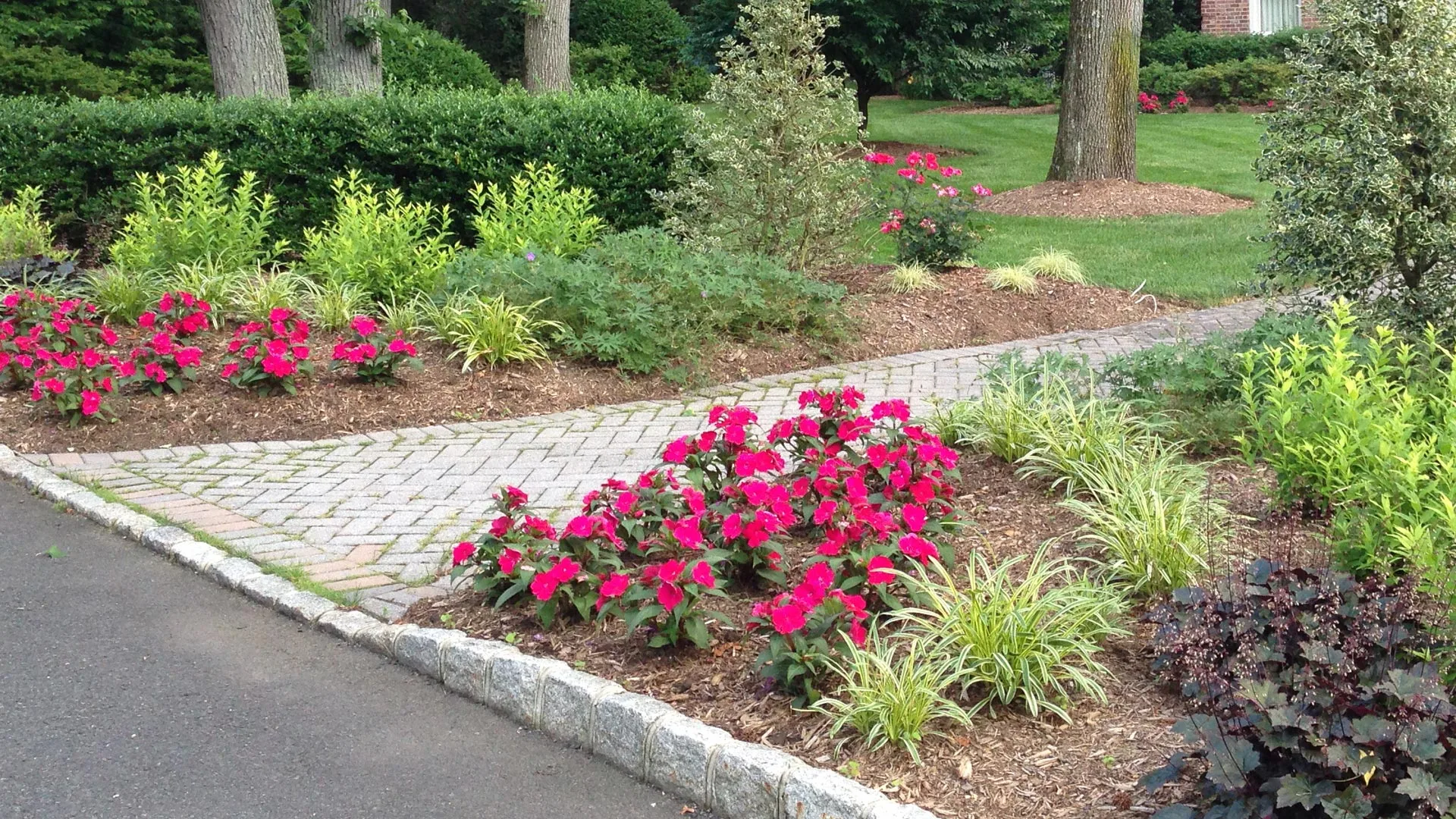
Published on Monday, September 07, 2026
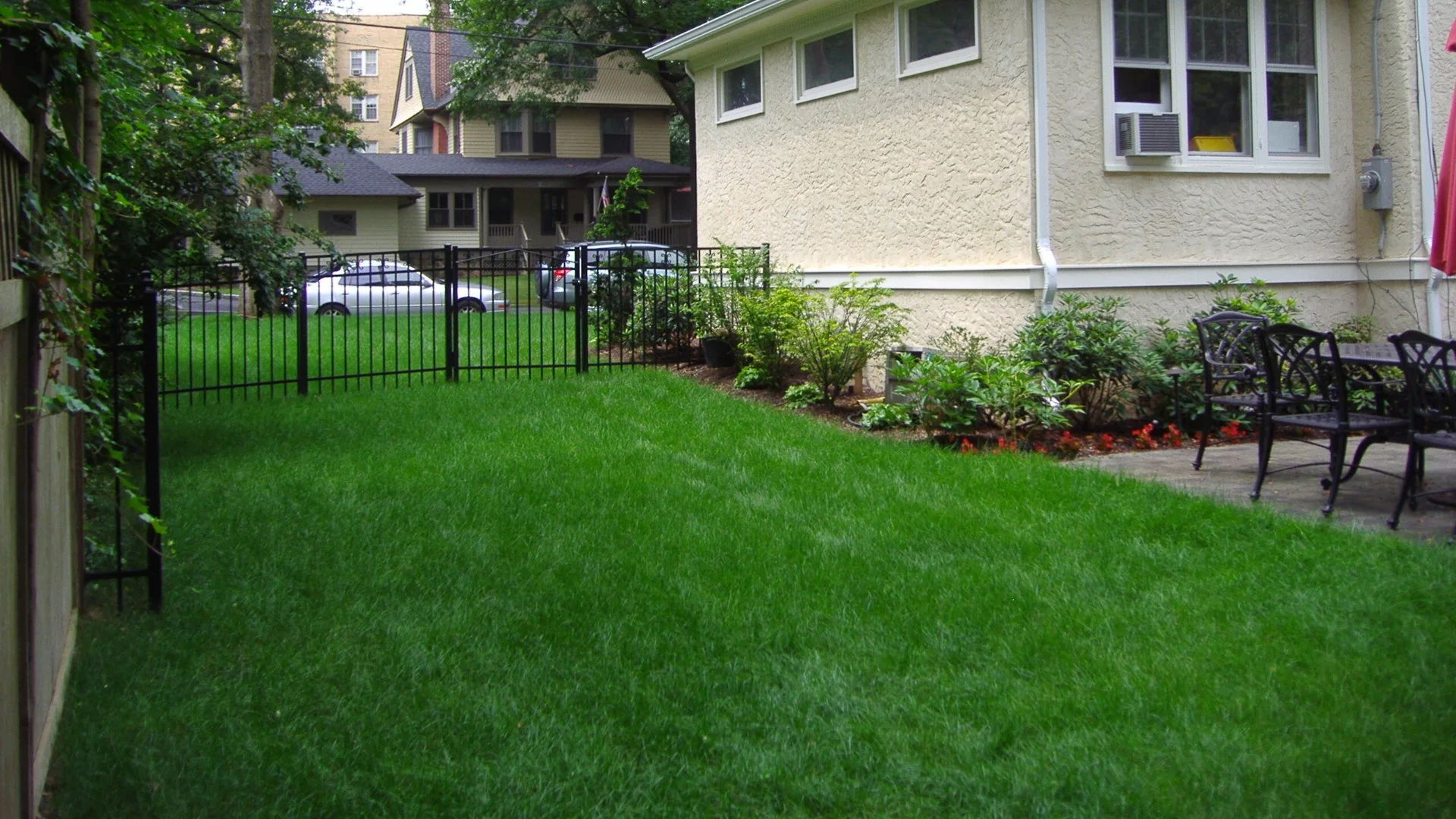
Weed control treatments are an essential part of maintaining a healthy, beautiful lawn. When applied correctly, these treatments won't harm your lawn. In fact, they're designed to target...
Published on Wednesday, September 02, 2026
This article was tagged under:
Plants
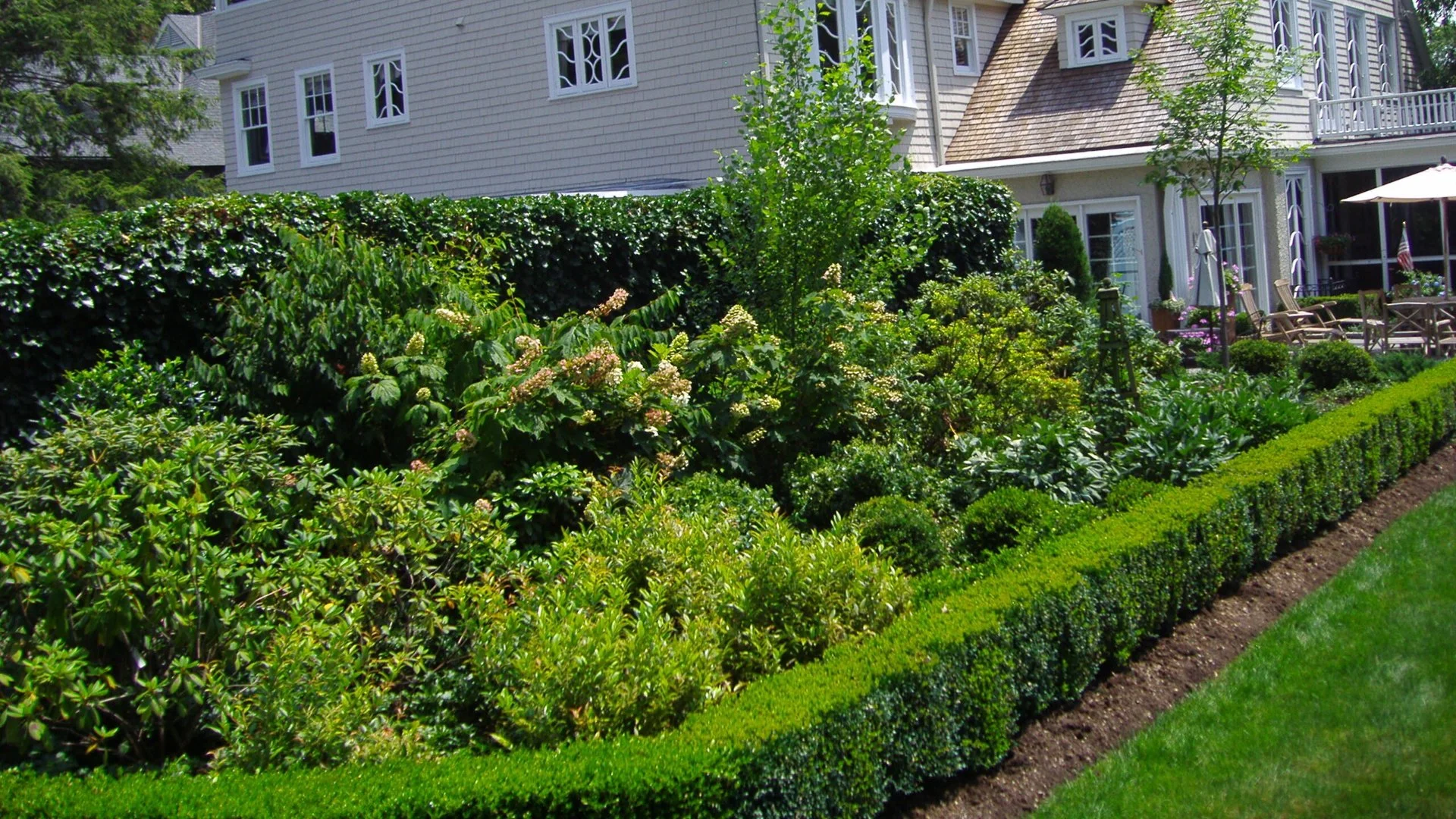
Pruning is an essential part of maintaining healthy plants in New Jersey, but over-pruning can do more harm than good. Removing too much foliage can limit a plant's ability to photosynthesize, ...
Published on Sunday, August 30, 2026
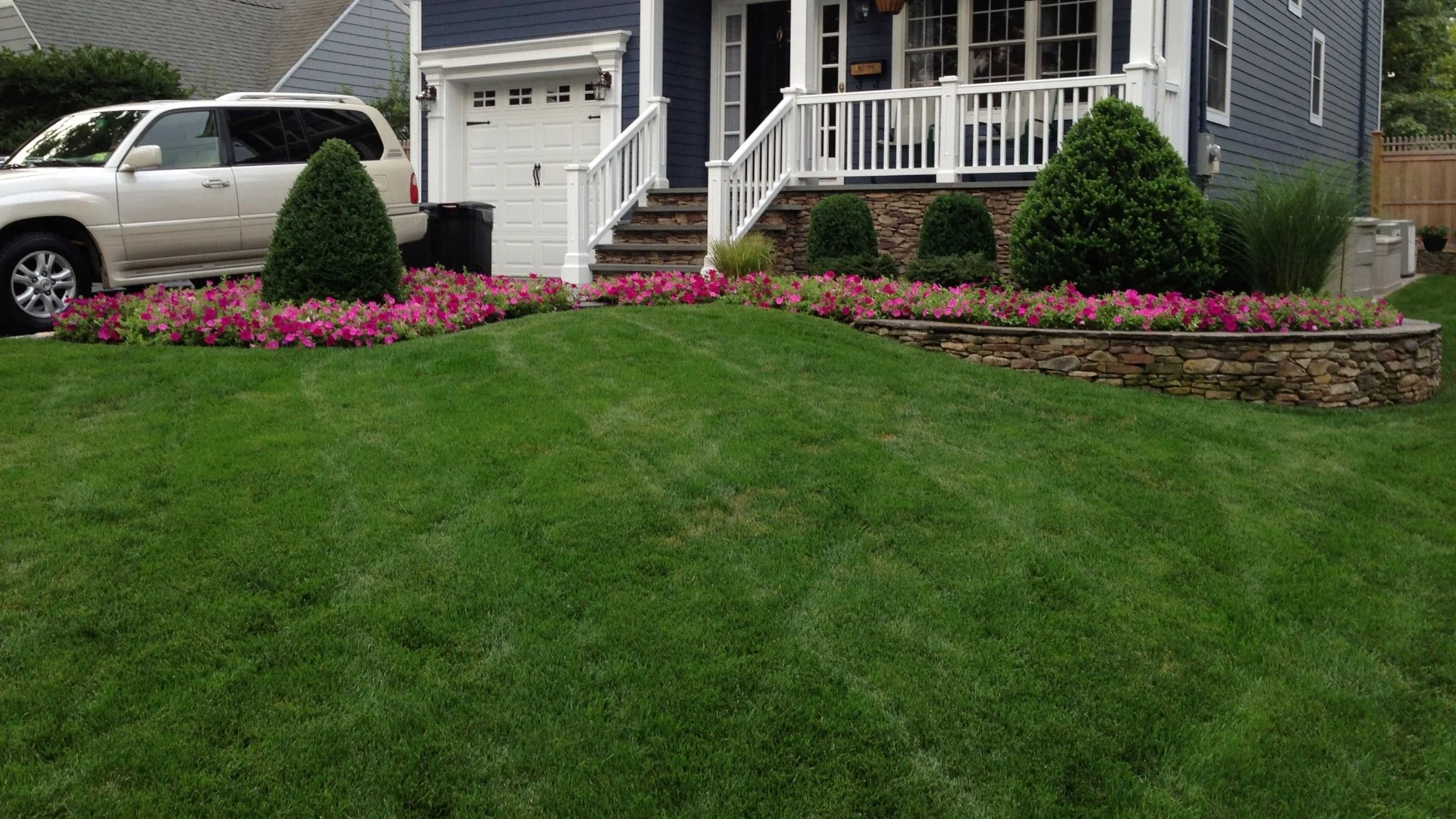
Slit seeding and overseeding are two common methods used to improve the density and health of your lawn in New Jersey. While both processes aim to achieve the same goal, they differ in their...
Published on Wednesday, August 26, 2026
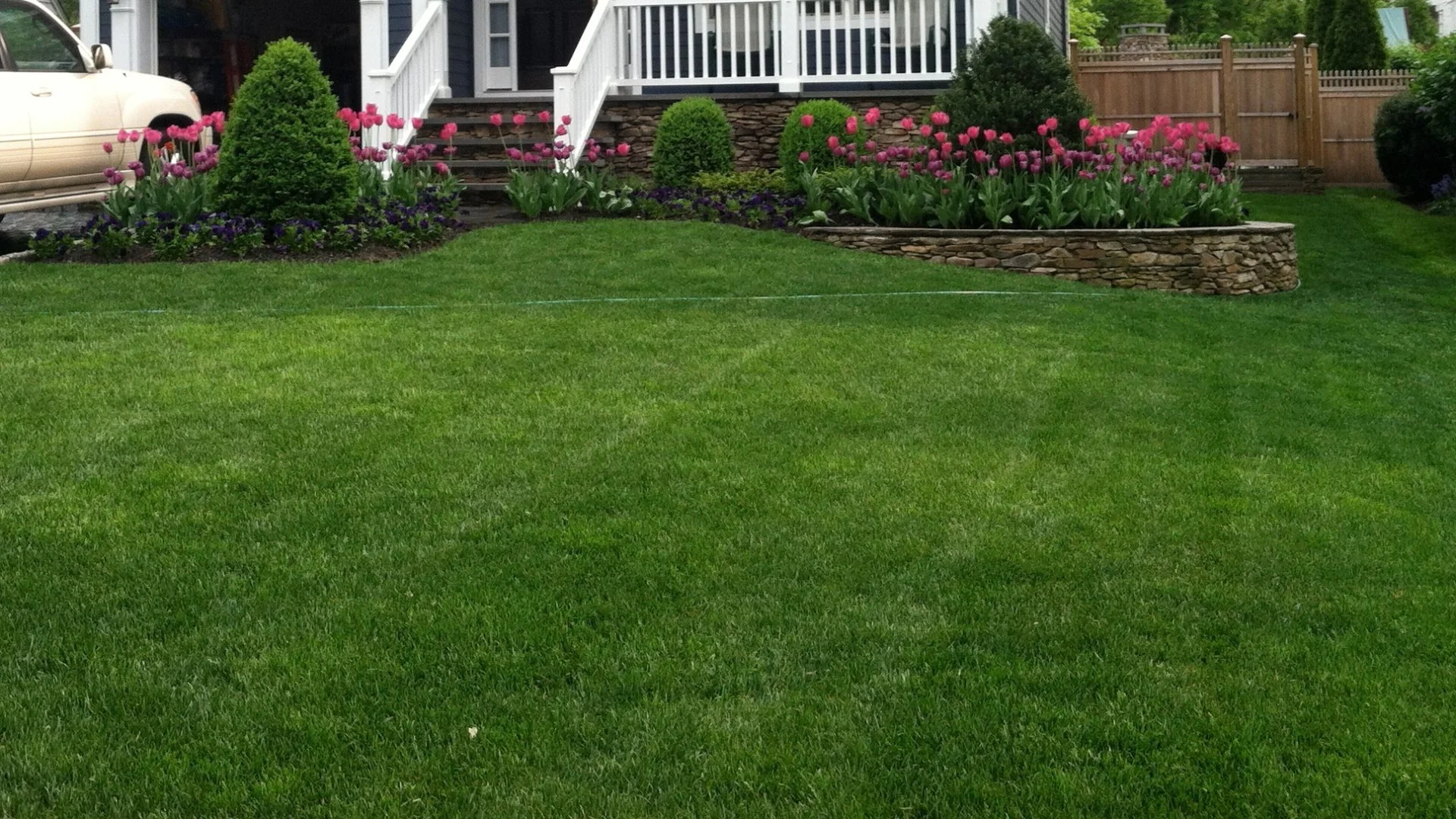
Installing sod on your property is a great way to get a new, beautiful lawn instantly. However, the cost of sod installation can vary depending on several factors. First, the size and shape of your...
Published on Monday, August 17, 2026
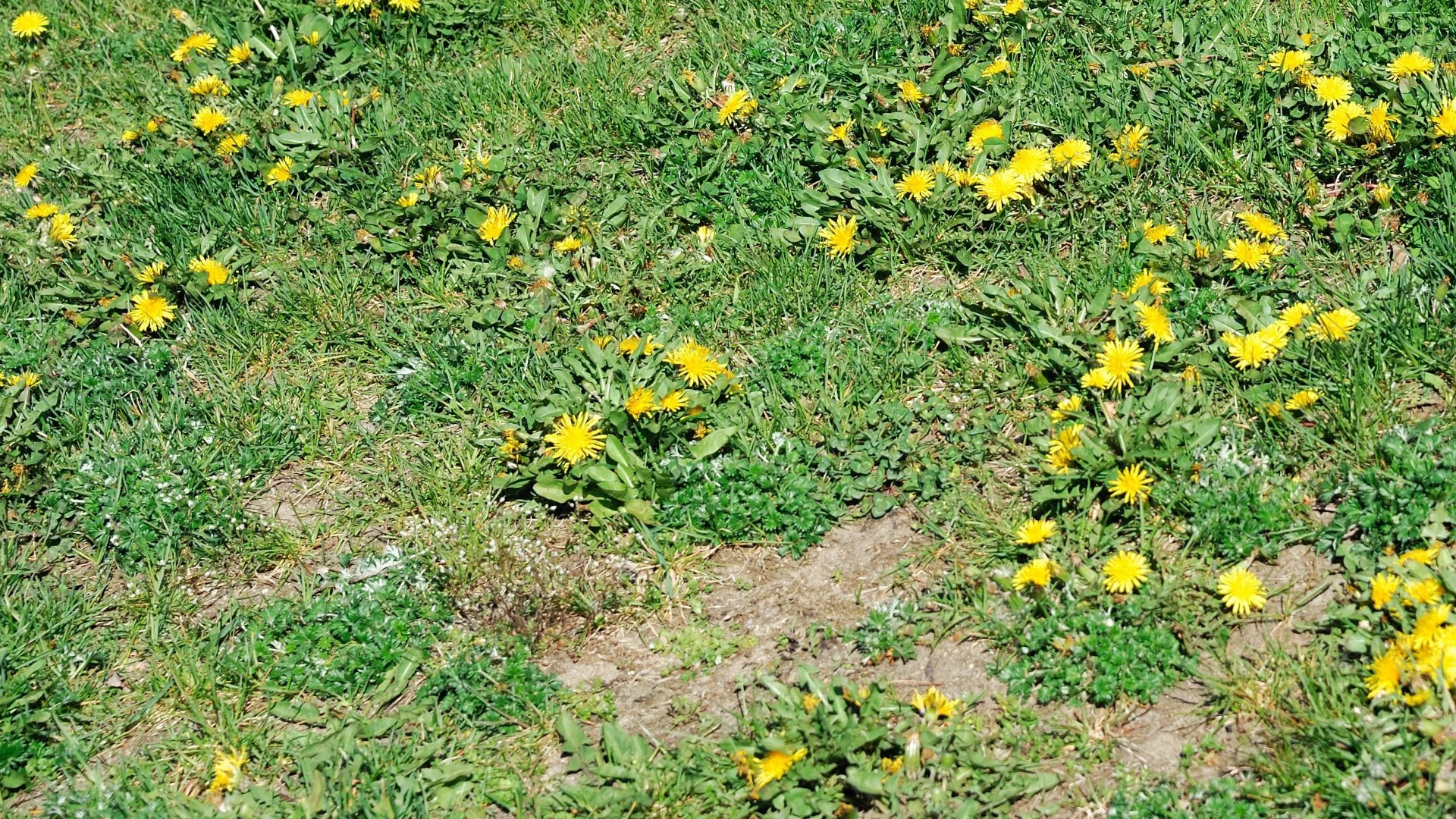
Weeds are a common problem for many property owners, but understanding the hidden causes behind a weed-filled lawn can help you address them effectively. These opportunistic plants thrive when...
Published on Tuesday, August 11, 2026
This article was tagged under:
Mowing

Frequent lawn mowing not only keeps your grass looking manicured, but it also encourages thicker grass growth. Regular mowing stimulates lateral growth, encouraging your grass to spread out...
Published on Tuesday, August 04, 2026
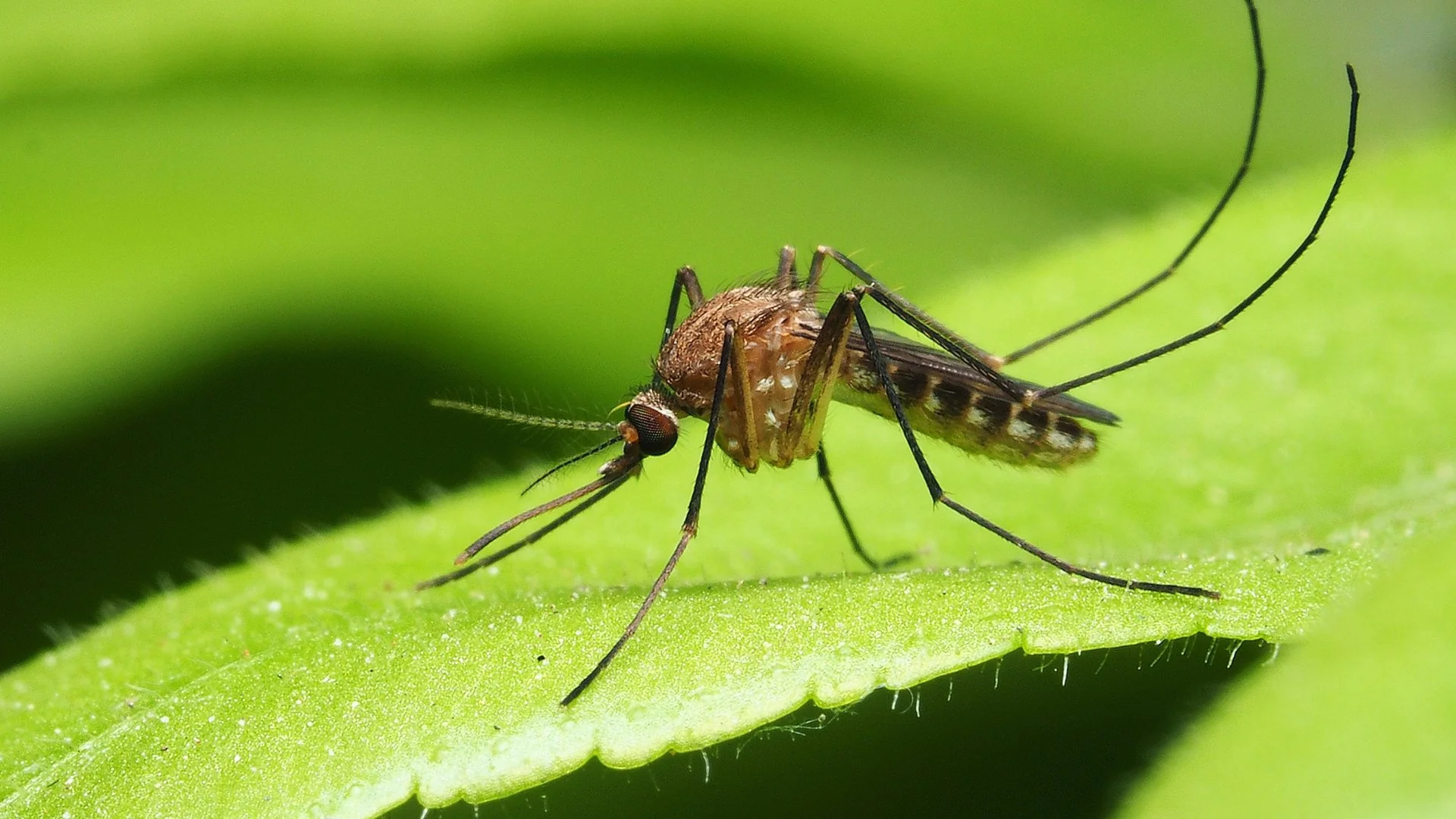
Mosquitoes are a common nuisance in New Jersey, and they tend to hide and rest during the day in specific locations. These pests prefer cooler, shady areas, so dense vegetation, tall grass,...
Published on Tuesday, July 28, 2026
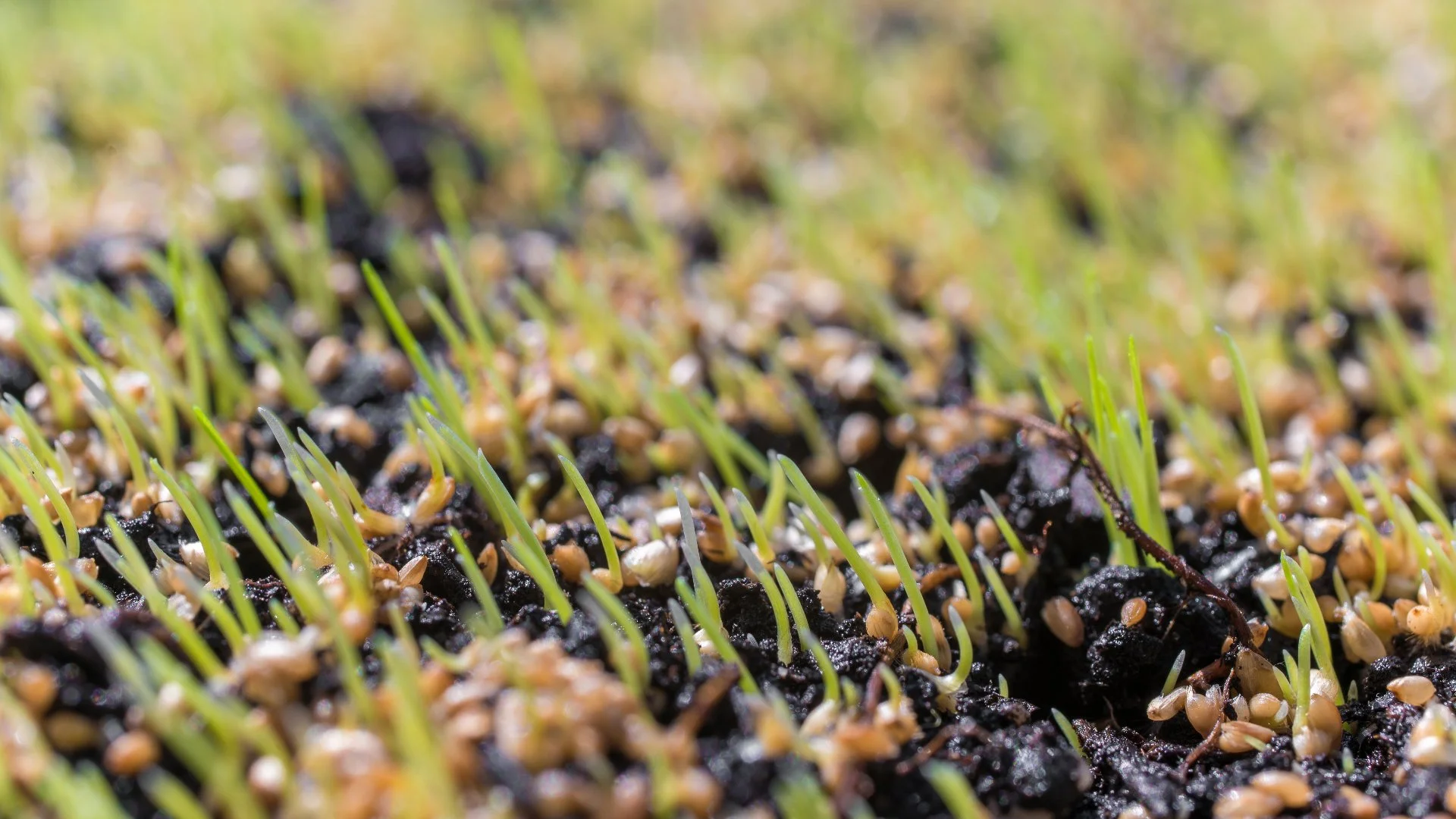
Overseeding is a natural and effective way to prevent weed growth on your lawn in New Jersey. Overseeding involves spreading grass seeds across your lawn to make it denser. A thicker turf leaves...
Published on Wednesday, July 22, 2026
This article was tagged under:
Mulch
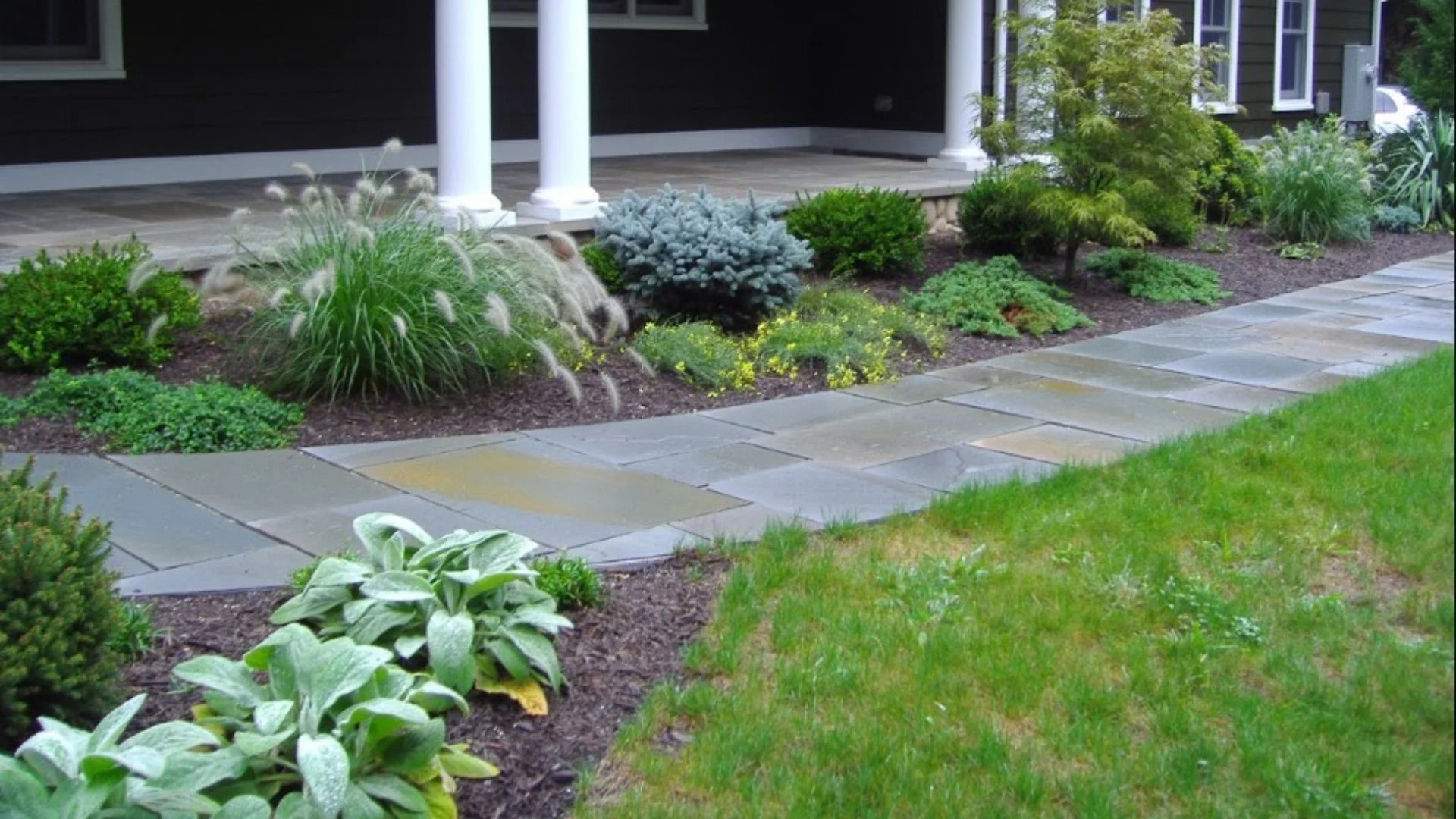
Mulch is an essential component for maintaining the beauty and health of your landscape beds in New Jersey. It plays a crucial role in weed control by acting as a natural barrier. Mulch blocks...
Published on Thursday, July 16, 2026
This article was tagged under:
Soil
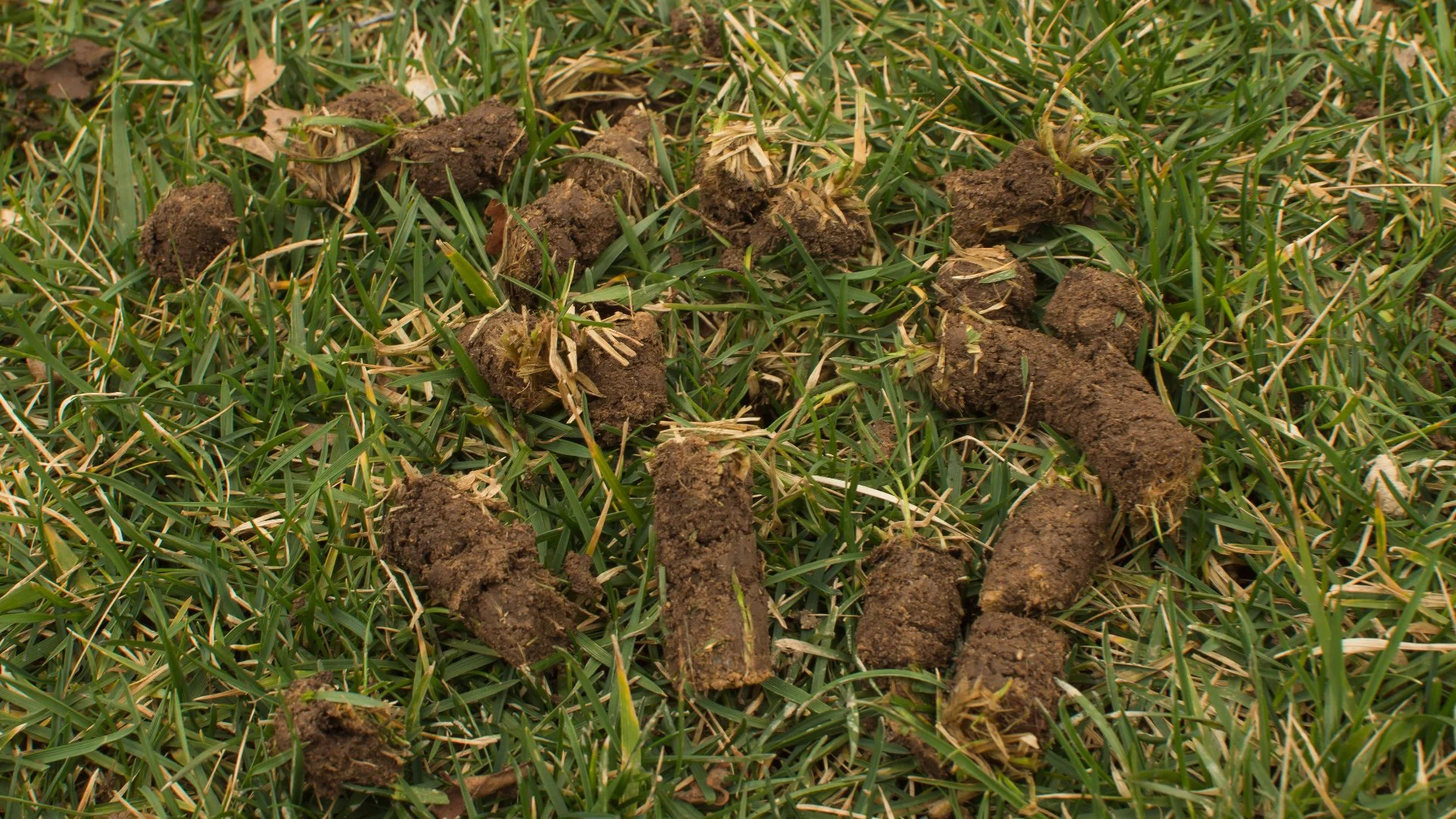
Compacted soil is a common issue that many property owners in New Jersey face. It occurs when soil particles are tightly packed together, reducing the amount of space between them. This can happen ...
 (833) 452-9666