 (833) 452-9666



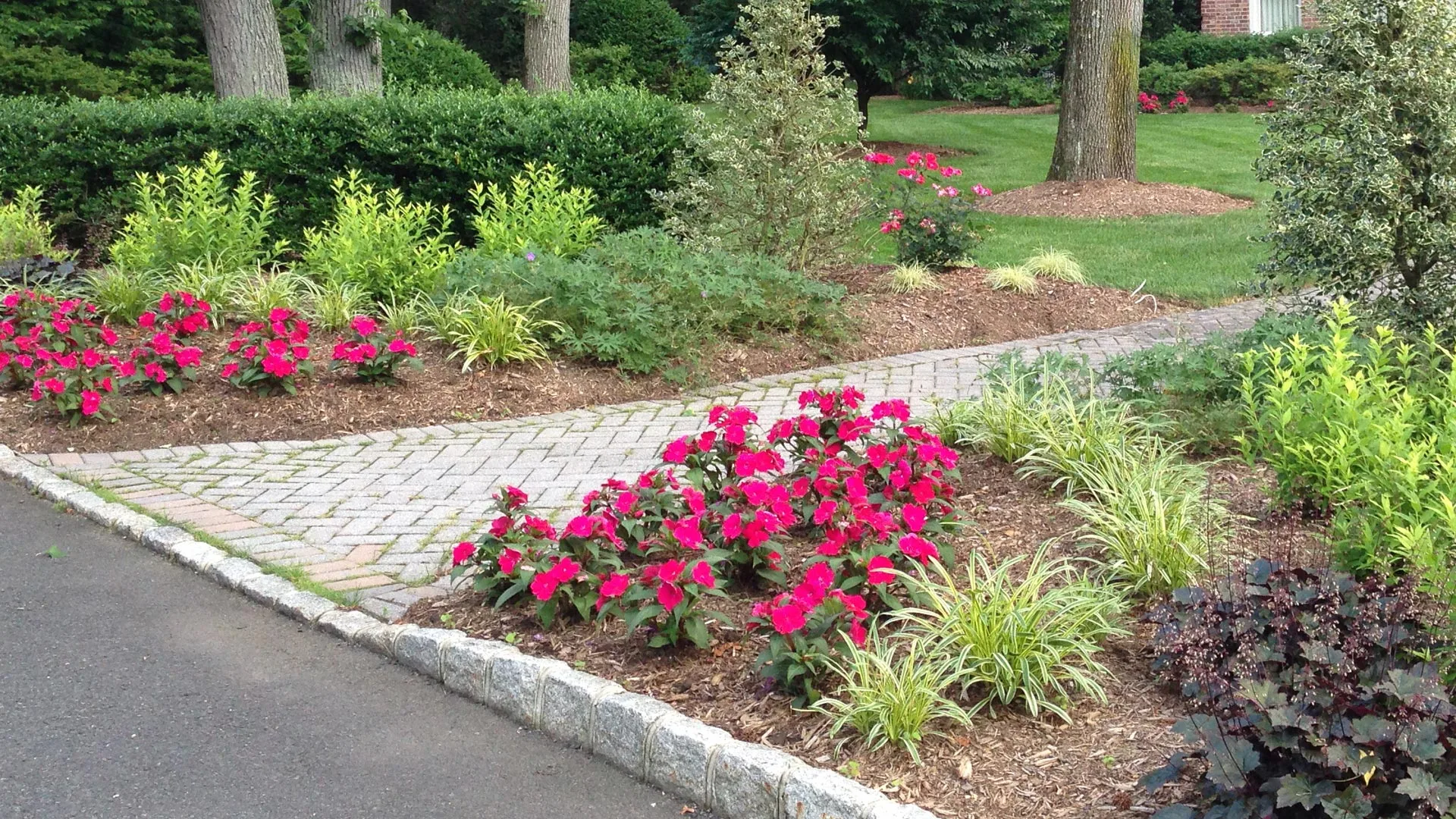
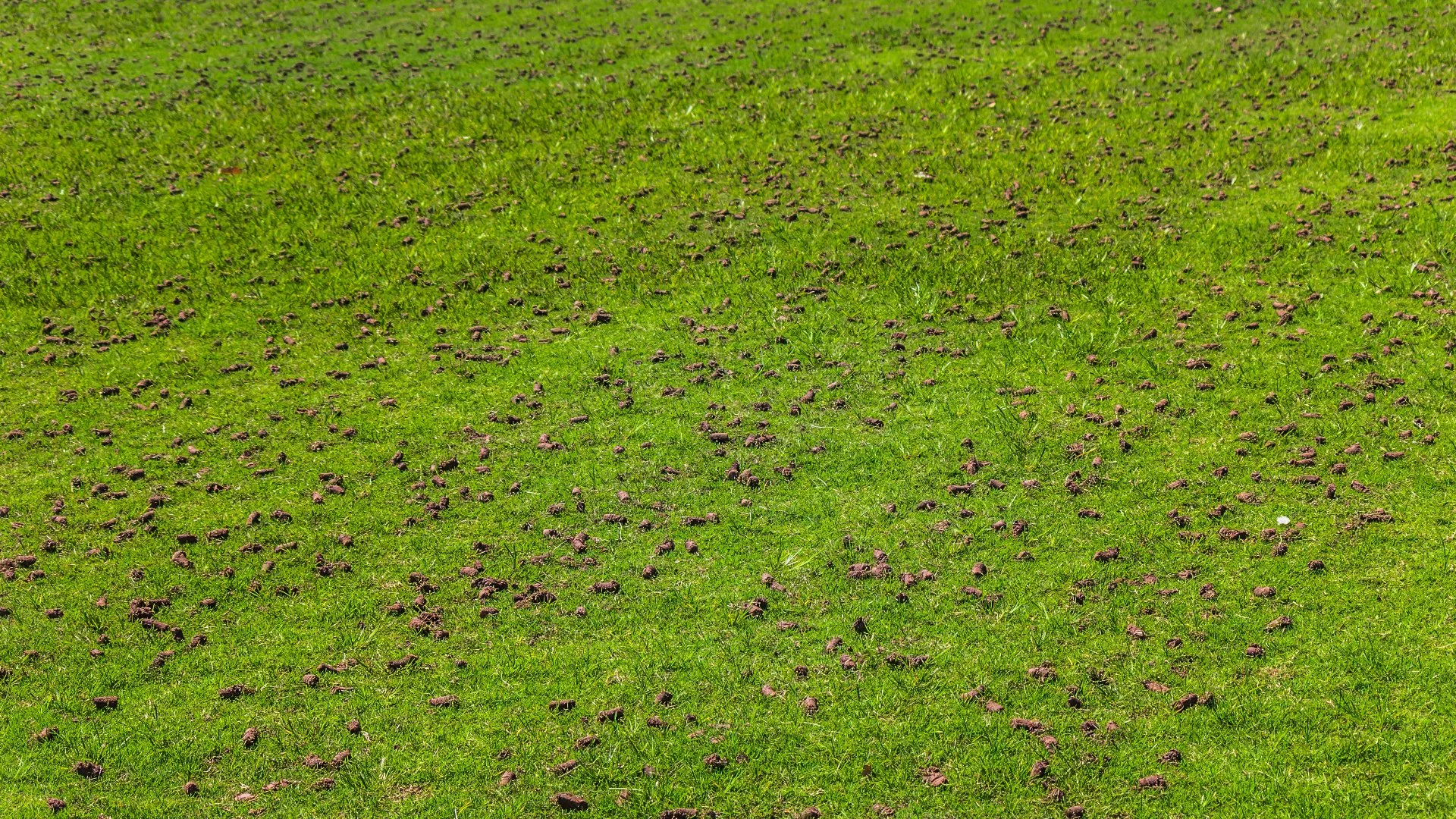
Soil compaction can be a significant issue for your lawn in New Jersey, and it's essential to recognize the signs and take action to address it. If your lawn is struggling to stay green despite regular fertilizer applications, it may be due to compacted soil. Compacted soil hinders the movement of air, water, and nutrients, preventing them from reaching the roots of your grass. As a result, your lawn may appear dull and lackluster. Additionally, poor drainage, indicated by water pooling on your lawn, is a common consequence of soil compaction. Thinning or patchy areas on your lawn can also be a sign of compacted soil, as the grass is unable to access the resources it needs to grow. To address soil compaction, it's recommended to schedule an aeration service. Aeration involves creating small holes in the soil to improve air circulation and allow water and nutrients to penetrate the root zone, promoting healthier grass growth.
If your lawn is struggling to stay green, the soil may be compacted.
If you've noticed that your lawn is struggling to stay green despite your efforts to keep it healthy, it could be a sign of soil compaction. Soil compaction occurs when the soil becomes tightly packed, making it difficult for air, water, and nutrients to reach the roots of your grass. Even if you're regularly applying fertilizer, it may not be able to penetrate the compacted soil and reach the roots, causing your lawn to struggle to stay green.
Water pooling on your lawn is a sign that the soil is compacted.
Poor drainage is another common sign of soil compaction. When the soil is compacted, it becomes dense and less porous, preventing water from flowing through the soil and draining properly. As a result, water can collect on your lawn or run off, leading to waterlogged areas and increased risk of disease.
The compacted soil creates a barrier that prevents water from reaching the roots of your grass, causing the water to pool on the surface. This can lead to overwatering, as the water is unable to penetrate the soil and reach the roots. The excess water can also create an environment that is conducive to the growth of fungi and other pathogens, leading to lawn diseases.
A sign that your soil is compacted is thinning or patchy areas on your lawn.
Thinning or patchy areas on your lawn can also be a sign of soil compaction. The compacted soil restricts the movement of air, water, and nutrients, making it difficult for the grass to access the resources it needs to grow. This can lead to weak and shallow roots, causing the grass to become thin and patchy. The compacted soil also makes it difficult for the grass to recover from stress or damage, leading to bare spots on your lawn.
What should you do if your soil is compacted?
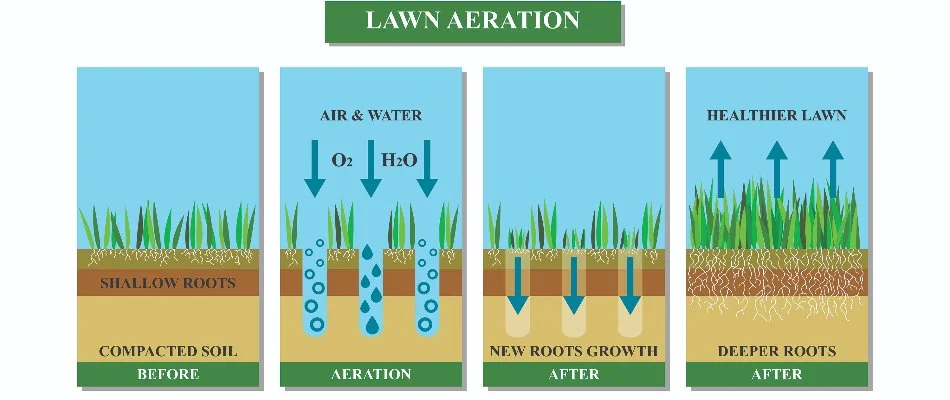
One of the most effective ways to alleviate soil compaction is to schedule an aeration service. Aeration involves creating small holes in the soil to improve air circulation and allow water and nutrients to penetrate the root zone, promoting healthier grass growth.
Aeration can help to break up the compacted soil, allowing the roots of your grass to penetrate deeper into the soil and access the resources they need to grow. It can also improve drainage, reducing the risk of water pooling on your lawn and promoting healthier grass growth.
Give us a call today to schedule our lawn aeration service.
At Stream Line Lawn & Landscape, we understand the importance of maintaining a healthy and vibrant lawn. That's why we offer a reliable lawn aeration service to property owners in Westfield, NJ, and nearby areas like Watchung and Warren. Our team will visit your property to perform the aeration service, ensuring that your lawn has good access to everything it needs to stay healthy throughout the year. Don't wait any longer to give your lawn the care it deserves! Give us a call today at (833) 452-9666 to schedule our lawn aeration service and enjoy a beautiful and healthy lawn all year round.

Comments (0)
Thanks for your comment!
Thanks for your feedback! Your comments have been successfully submitted! Please note, all comments require admin approval prior to display.
Error submitting comment!
There is a problem with your comment, please see below and try again.