 (833) 452-9666




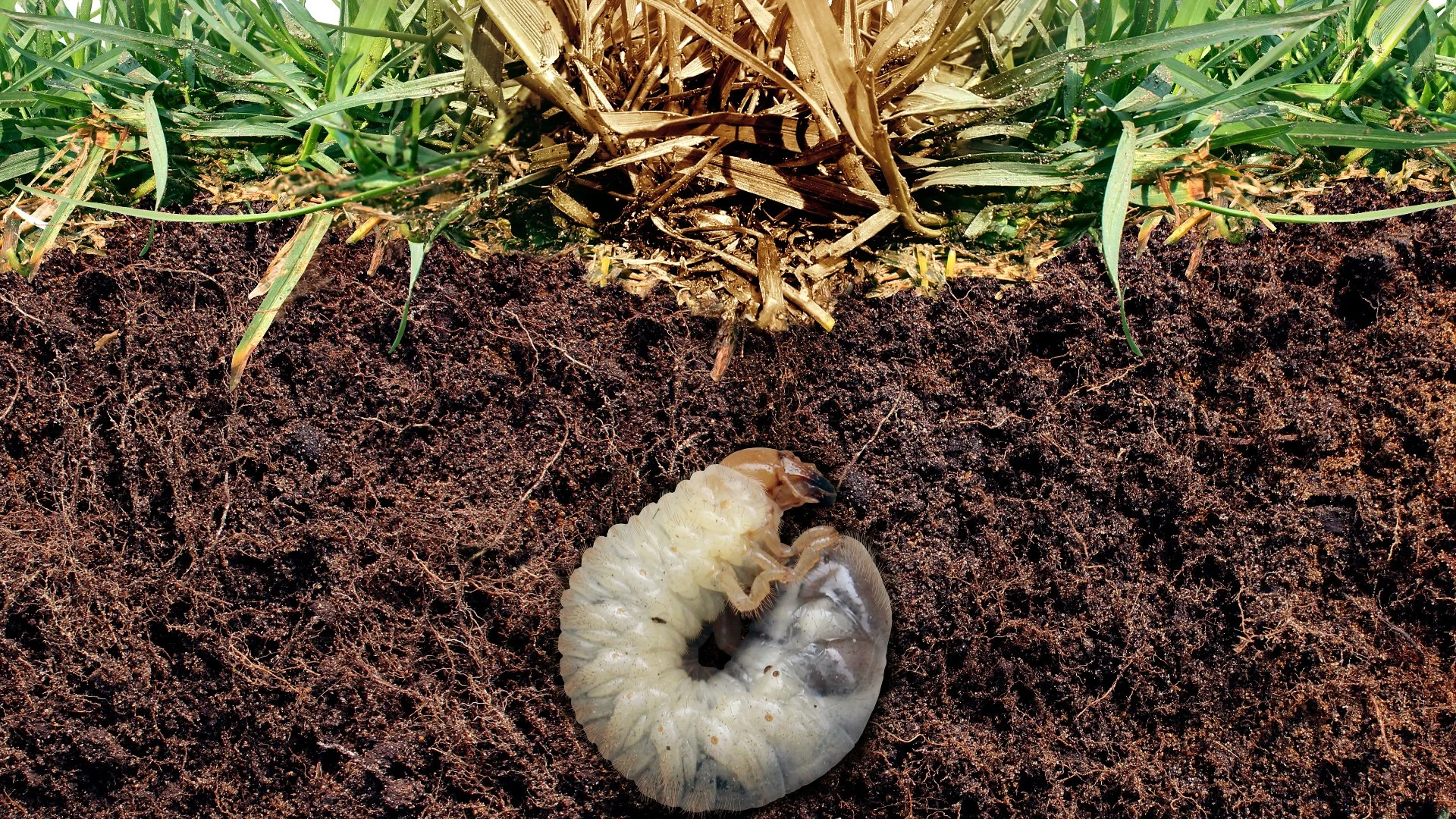
Preventative grub control treatments are essential to maintaining a healthy lawn in New Jersey. These treatments work by creating a barrier in the soil that prevents grubs from feeding on the roots of your grass. The ideal time to apply preventative treatments is in June or July, as this is when grubs are most active. If you skip preventative treatments, grubs could infest your lawn, causing damage to the roots and leading to brown patches and weakened grass. In this case, you would need to schedule a curative treatment to eliminate the grubs and may also need to invest in lawn care services to help your lawn recover from the damage. By taking preventative measures, you can protect your lawn from grubs and keep it healthy and green.
How do preventative grub control treatments work?
Preventative grub control treatments are designed to protect your lawn from grub damage before it becomes a problem. These treatments work by creating a barrier in the soil that prevents grubs from feeding on the roots of your grass. The treatment is applied to the soil, where it penetrates and creates a protective barrier around the roots of your grass. When grubs come into contact with the treatment, they are unable to feed on the roots and are effectively eliminated.
Preventative treatments are highly effective because they target grubs before they have a chance to cause damage to your lawn. By applying the treatment early, you can prevent a grub infestation from taking hold and protect your lawn from damage.
When should preventative grub control treatments be applied?
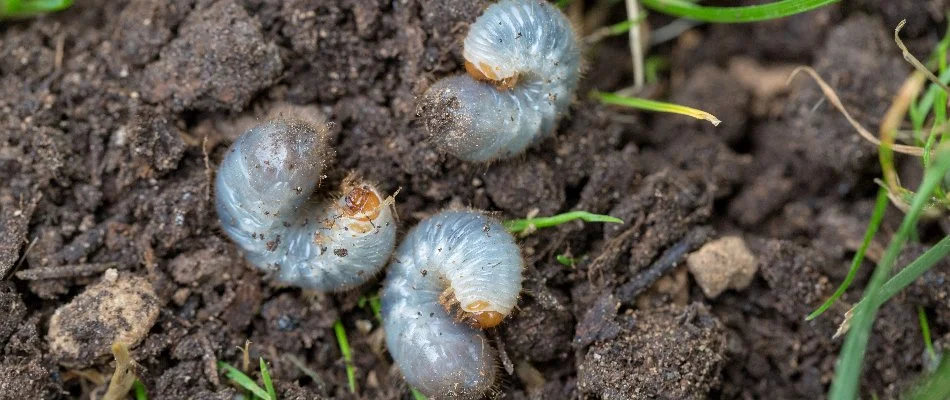
The ideal time to apply preventative grub control treatments is in June or July. This is because grubs are most active during this time, and applying the treatment early can help to prevent them from causing damage to your lawn. Applying the treatment in June or July allows the treatment to penetrate the soil and create a protective barrier around the roots of your grass before the grubs have a chance to feed. This helps to prevent the grubs from causing damage to your lawn and ensures that your grass stays healthy and green.
It is important to note that preventative treatments should be applied before the grubs have a chance to cause damage to your lawn. If you wait until you see signs of grub damage, it's too late for a preventative treatment to work.
What happens if you skip preventative grub control treatments?
If you skip preventative grub control treatments, your lawn could become infested with grubs. Grubs are the larvae of beetles and feed on the roots of your grass, causing damage and leading to brown patches and weakened grass. If your lawn becomes infested with grubs, you will need to schedule a curative treatment to eliminate them. Curative treatments are designed to target and eliminate grubs that are already present in your lawn.
If your lawn becomes infested with grubs, you may also need to invest in lawn care services to help your lawn recover from the damage. Lawn care services can help to restore your lawn's health and appearance. However, it's better to invest in preventative grub control treatments to prevent a grub infestation in the first place.
Give us a call today to schedule our grub control service.
At Stream Line Lawn & Landscape, we understand the importance of keeping your lawn healthy and free from pests. That's why we offer our grub control service to property owners in Westfield, NJ, and nearby areas like Watchung and Warren. Our team will visit your property multiple times throughout the year to apply our preventative grub control treatments and protect your lawn from these pesky pests. We also offer curative treatments if grubs have already infested your lawn. Don't let grubs ruin your lawn! Give us a call today at (833) 452-9666 to schedule our grub control service and keep your lawn looking its best.

Comments (0)
Thanks for your comment!
Thanks for your feedback! Your comments have been successfully submitted! Please note, all comments require admin approval prior to display.
Error submitting comment!
There is a problem with your comment, please see below and try again.