 (833) 452-9666



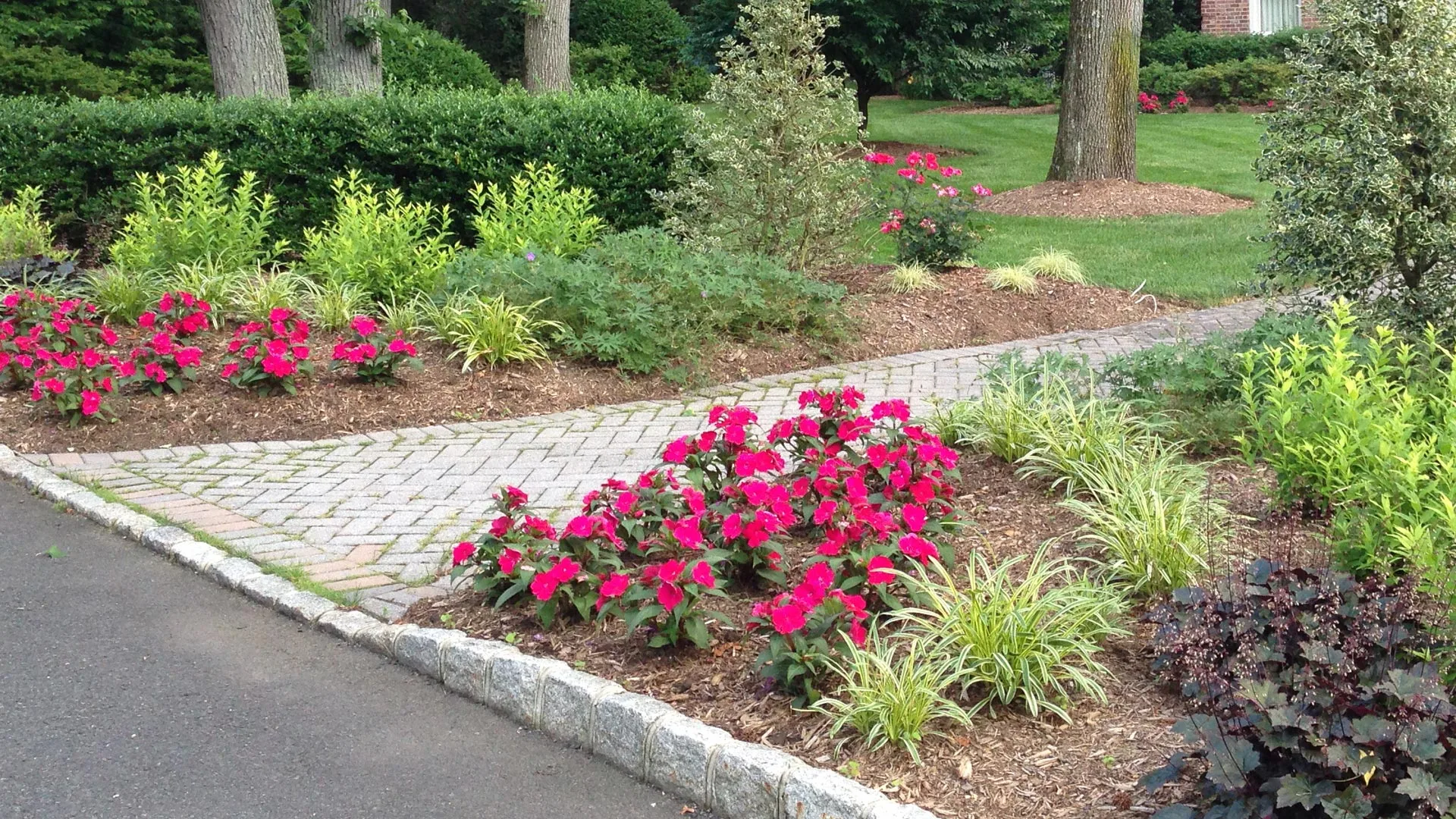
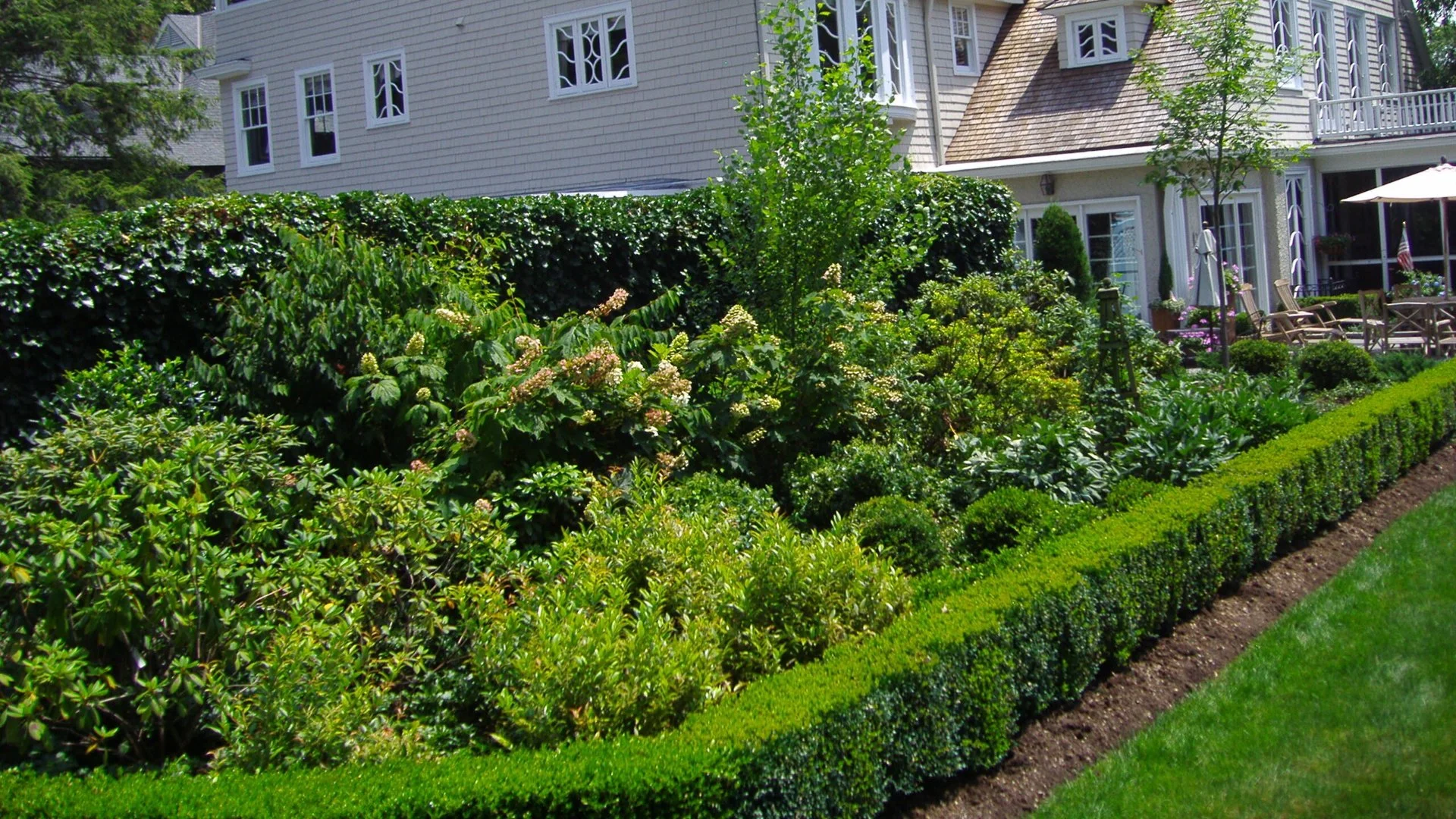
Pruning is an essential part of maintaining healthy plants in New Jersey, but over-pruning can do more harm than good. Removing too much foliage can limit a plant's ability to photosynthesize, leading to stunted growth and noticeably sparse foliage. You may also notice increased interior sprouting as the plant attempts to compensate for the loss of outer branches and leaves. Recognizing these signs can help you avoid over-pruning and keep your plants healthy and thriving.
Stunted growth can be a sign that a plant has been over-pruned.
One of the earliest and most noticeable signs of over-pruning is stunted growth. When plants are pruned excessively, they lose a significant portion of their leaves and branches, which are vital for photosynthesis. This process converts sunlight into energy, fueling the plant's growth and development. Without enough foliage, the plant's ability to produce energy is compromised, leading to slower growth or even stagnation.
Stunted growth not only affects the plant's size but also its overall health. A plant struggling to grow is more susceptible to diseases and pests, as it lacks the resources to fend off these threats. Additionally, stunted plants may fail to produce flowers or fruits, diminishing their aesthetic and functional value in your garden. Monitoring growth patterns and comparing them to previous seasons can help you determine if over-pruning is the culprit behind your plant's lackluster performance.
Reduced foliage is another common sign of over-pruning.
Another clear indicator of over-pruning is a noticeable reduction in foliage. Leaves are the lifeline of a plant, playing a crucial role in photosynthesis, respiration, and transpiration. When too many leaves are removed, the plant's ability to perform these essential functions is severely hindered. This reduction in foliage can lead to a weakened plant that struggles to thrive.
In addition to affecting the plant's health, a lack of foliage can impact its appearance. Plants with sparse leaves may look bare and unattractive, detracting from the overall beauty of your garden. If you notice your plants have fewer leaves than usual, it may be a sign that you've pruned too aggressively. To remedy this, allow the plant time to recover and focus on providing adequate water, nutrients, and sunlight to support regrowth.
Increased interior sprouting may indicate that a plant has been over-pruned.
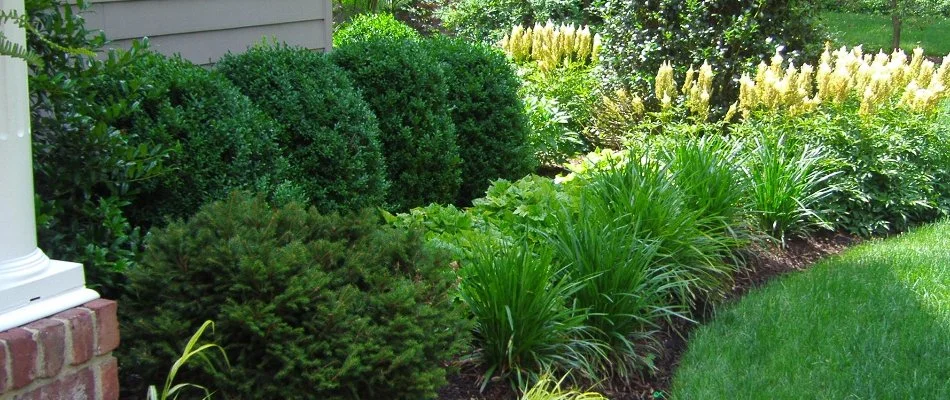
Over-pruning can also lead to an increase in interior sprouting, where new growth emerges internally rather than at the tips of the limbs. This phenomenon occurs as the plant attempts to compensate for the loss of its outer branches and leaves by redirecting energy to dormant buds within the interior. While this may seem like a positive sign of recovery, it often indicates that the plant is under stress and struggling to regain balance.
Interior sprouting can result in a dense, tangled growth pattern that may further complicate the plant's recovery. This crowded growth can limit airflow and light penetration, creating an environment conducive to disease and pest infestations. If you observe an increase in interior sprouting, it's essential to adjust your pruning practices to avoid further stress on the plant. Focus on gentle, selective pruning that encourages healthy growth while maintaining the plant's natural shape.
Call us today to schedule our pruning service!
Pruning your plants helps maintain their optimal health by removing problematic parts, but doing it right is also crucial. At Stream Line Lawn & Landscape, we prune plants with their health in mind with our professional trimming and pruning service! We provide precise hand pruning to prevent over-pruning and ensure only the right cuts are made on your plants. Pruning will also be done at the right time so your plants are strong enough to handle the process and recover from it.
With our pruning service, you can rest assured that your plants will receive the care they need to thrive. We offer this service to homeowners and business owners in Westfield, Watchung, Warren, and nearby areas in New Jersey. Give us a call at (833) 452-9666 to schedule!

Comments (0)
Thanks for your comment!
Thanks for your feedback! Your comments have been successfully submitted! Please note, all comments require admin approval prior to display.
Error submitting comment!
There is a problem with your comment, please see below and try again.