 (833) 452-9666



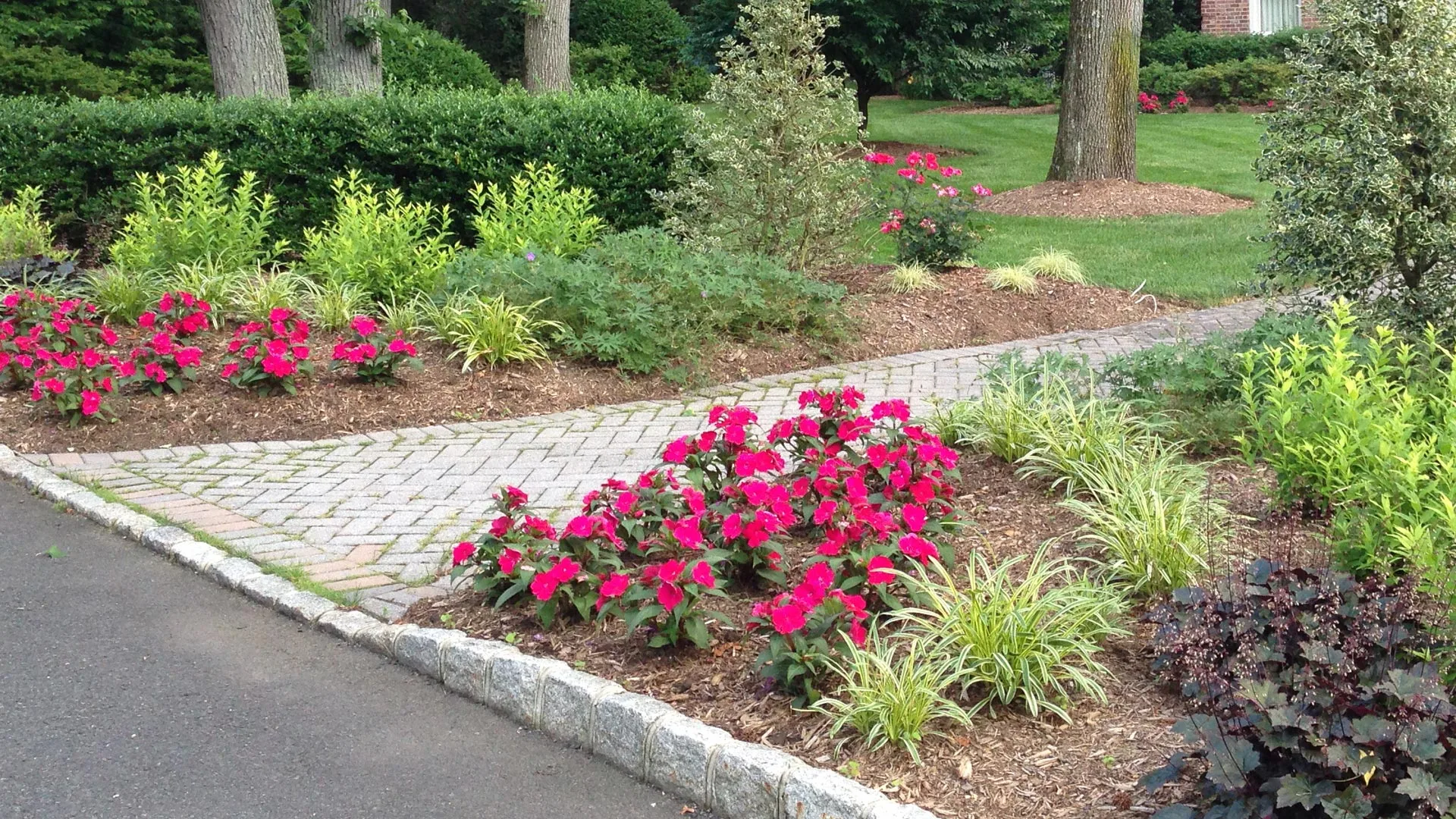
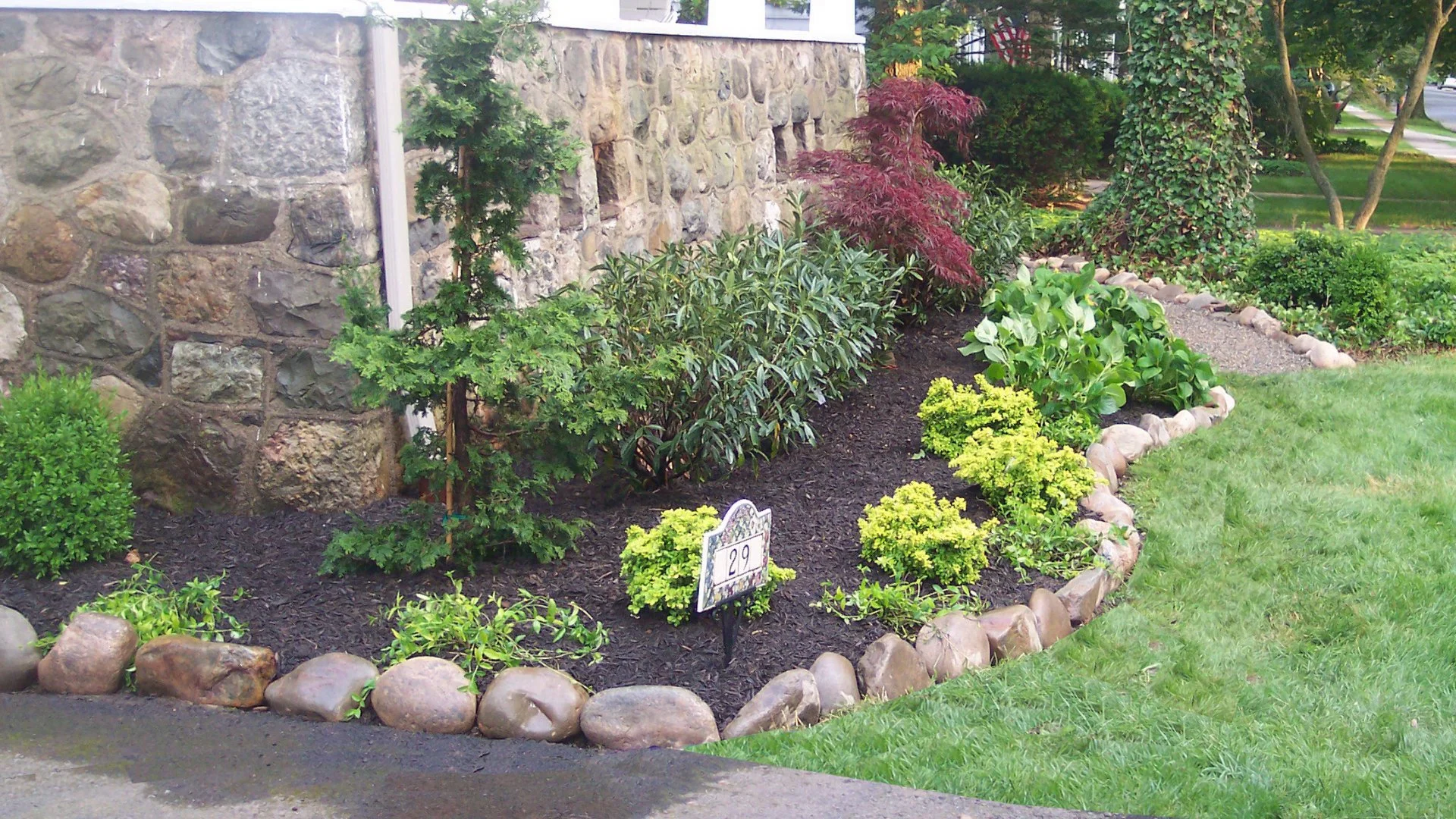
For property owners in New Jersey, ensuring the right thickness of your landscape's mulch layer is crucial for its health and aesthetics. Ideally, mulch should be about 2-3 inches thick. This thickness provides several benefits, including moisture retention, weed suppression, and temperature regulation. However, it's important to leave about an inch of space around the base of your plants to avoid smothering them. To keep your landscape looking its best, it's recommended to refresh the mulch annually in the spring or fall. This will help maintain the ideal thickness and ensure your plants receive the full benefits of the mulch.
Your landscape's mulch layer should be about 2-3 inches thick.
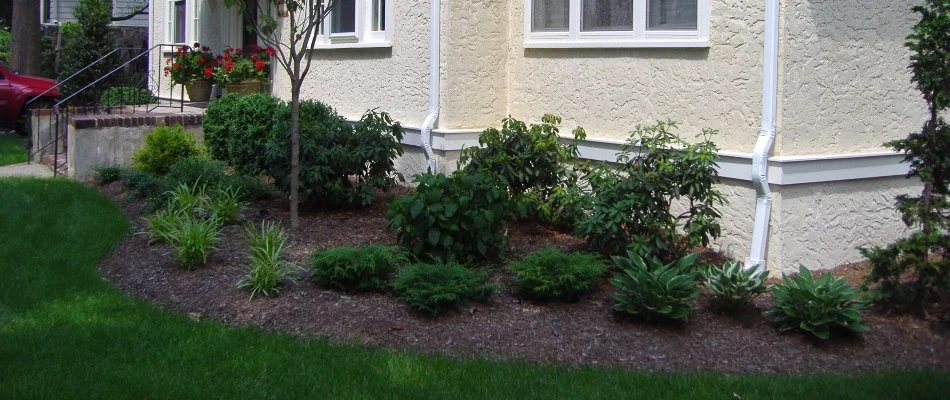
When it comes to mulching your landscape, the ideal thickness of the mulch layer is around 2-3 inches. This thickness provides several benefits for your plants and soil. Firstly, a 2-3 inch layer of mulch helps to retain moisture in the soil, reducing the need for frequent watering. This is especially beneficial during hot summer months when water evaporation is high. The mulch acts as a protective barrier, preventing the soil from drying out too quickly and helping your plants stay hydrated.
Secondly, a 2-3 inch layer of mulch helps to suppress weed growth. By covering the soil, mulch blocks sunlight from reaching weed seeds, helping to prevent them from germinating and growing. This reduces the need for manual weeding and helps to keep your landscape looking neat and tidy.
Lastly, a 2-3 inch layer of mulch helps to regulate soil temperature. It acts as an insulator, keeping the soil cooler in the summer and warmer in the winter. This helps to protect the roots of your plants from extreme temperature fluctuations, promoting healthy growth.
Leave about an inch of space around the base of your plants to avoid smothering them.
While it's important to maintain a 2-3 inch layer of mulch, it's equally important to leave about an inch of space around the base of your plants. This space is crucial to avoid smothering them. When mulch is piled up against the stems or trunks of plants, it can create a moist environment that encourages the growth of fungi and diseases. It can also attract pests, which can damage your plants.
Additionally, piling mulch directly against the base of plants can suffocate them by preventing air circulation and trapping moisture. This can lead to root rot and other issues that can harm the health of your plants. By leaving a small space around the base of your plants, you allow for proper airflow and reduce the risk of these problems.
When/how often should you refresh the mulch?
To maintain the benefits of mulch, it's important to refresh it regularly. The best time to refresh your mulch is annually in the spring or fall. Spring is a great time to refresh your mulch because it helps to prepare your landscape for the growing season. It provides a fresh, clean look and helps to retain moisture in the soil as the weather starts to warm up.
Fall is another ideal time to refresh your mulch because it helps to insulate the soil and protect the roots of your plants during the winter months. It also helps to suppress weed growth and retain moisture in the soil, which is especially important during the dry winter months.
Give us a call today to schedule our mulch installation service.
At Stream Line Lawn & Landscape, we understand the importance of maintaining a beautiful and healthy landscape. That's why we offer a reliable mulch installation service to property owners in Westfield, NJ, and nearby areas like Watchung and Warren. Our team can install mulch in your landscape beds to enhance their appearance and provide numerous benefits to your plants. We recommend replenishing your mulch ground cover annually to ensure it stays at its best. Give us a call today at (833) 452-9666 to schedule our mulch installation service.

Comments (0)
Thanks for your comment!
Thanks for your feedback! Your comments have been successfully submitted! Please note, all comments require admin approval prior to display.
Error submitting comment!
There is a problem with your comment, please see below and try again.