 (833) 452-9666





Taking care of your new sod properly is crucial for its successful establishment and long-term health. Mowing is an important aspect of this maintenance, and doing it right can make all the difference. When mowing new sod, wait at least two weeks post-installation to allow roots to establish. You can check if your new sod is ready by gently tugging the grass; if it feels anchored, you can mow.
When mowing for the first time, set your mower to the highest setting to minimize stress and promote healthy growth. Longer blades enhance photosynthesis, supporting robust root development and resilience against environmental stressors. Additionally, reduce watering the day before mowing to firm up the sod and prevent mower damage. After mowing, resume regular watering to maintain hydration. These practices ensure a healthy, vibrant lawn in New Jersey that thrives throughout the seasons.
Wait at Least Two Weeks to Mow After Sod Installation
Patience is key when it comes to mowing new sod. It's important to wait at least two weeks after installation before you consider mowing. This waiting period allows the roots of the sod to establish themselves in the soil, anchoring the grass securely. Mowing too soon can disrupt this process and damage your new lawn.
To check if your sod is ready to be mowed, gently tug on the grass. If it lifts easily, the roots have not yet taken hold, and it's best to wait a bit longer. However, if the sod feels firmly anchored to the ground, it's a sign that the roots have established themselves, and you can proceed with mowing.
Set your mower to the highest setting when mowing your newly installed sod for the first time.
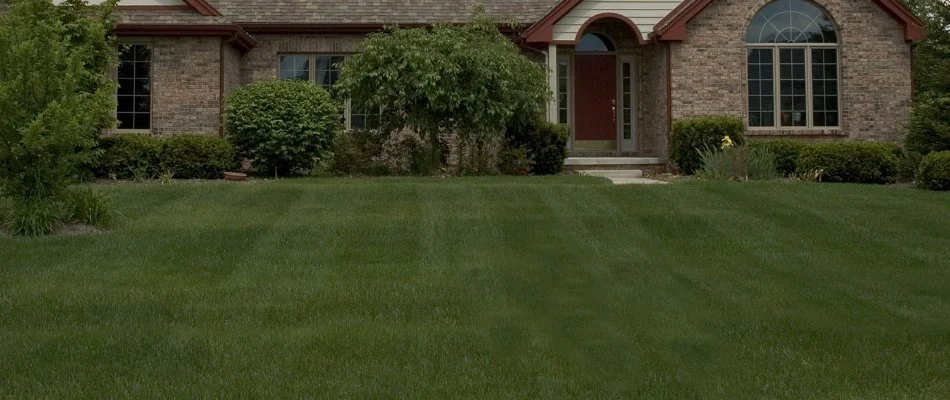
When it's time to mow your newly installed sod, setting your mower to the highest setting is crucial. This approach reduces stress on the grass by ensuring only the top portion of the blades is trimmed. Cutting too much at once can shock the grass, disrupting its growth and potentially leading to browning or thinning. A higher cut protects the grass from unnecessary stress, allowing it to focus on establishing strong roots and maintaining health.
Longer grass blades have more surface area for photosynthesis, the process by which plants convert sunlight into energy. This energy is vital for root development and overall growth. By keeping the grass longer, you encourage a thicker and more robust lawn. The increased photosynthetic activity supports a denser root system, which enhances the lawn's resilience to environmental stressors like drought and heat. In the long run, this practice contributes to a healthier, more vibrant lawn that thrives throughout the seasons.
Cut Back on Watering the Day Before You Mow Your New Sod
Before you mow your new sod, it's a good idea to reduce watering the day before. Allowing the sod to firm up helps prevent the weight of the mower from sinking into the grass and causing damage. Wet, soft sod can be easily torn or rutted by the mower's wheels. By cutting back on watering, you ensure that the sod is firm enough to withstand mowing without any negative impact. After mowing, you can resume your regular watering schedule to keep the grass hydrated and healthy.
Give us a call today to sign up for our lawn mowing service!
Properly mowing your new sod is essential for its successful establishment and long-term health. If you have newly installed sod and want to ensure it is mowed properly, we can help. Here at Stream Line Lawn & Landscape, we offer a professional lawn mowing service to help keep your grass neat and manicured. When you sign up for this service, our team will not only cut your grass but also handle other services such as string-trimming, edging, and blowing grass clippings off hard surfaces on your property.
This service is offered to homes and businesses in Westfield, NJ, and nearby areas, such as Watchung and Warren. Enroll in this service today by calling us at (833) 452-9666!

Comments (0)
Thanks for your comment!
Thanks for your feedback! Your comments have been successfully submitted! Please note, all comments require admin approval prior to display.
Error submitting comment!
There is a problem with your comment, please see below and try again.