 (833) 452-9666



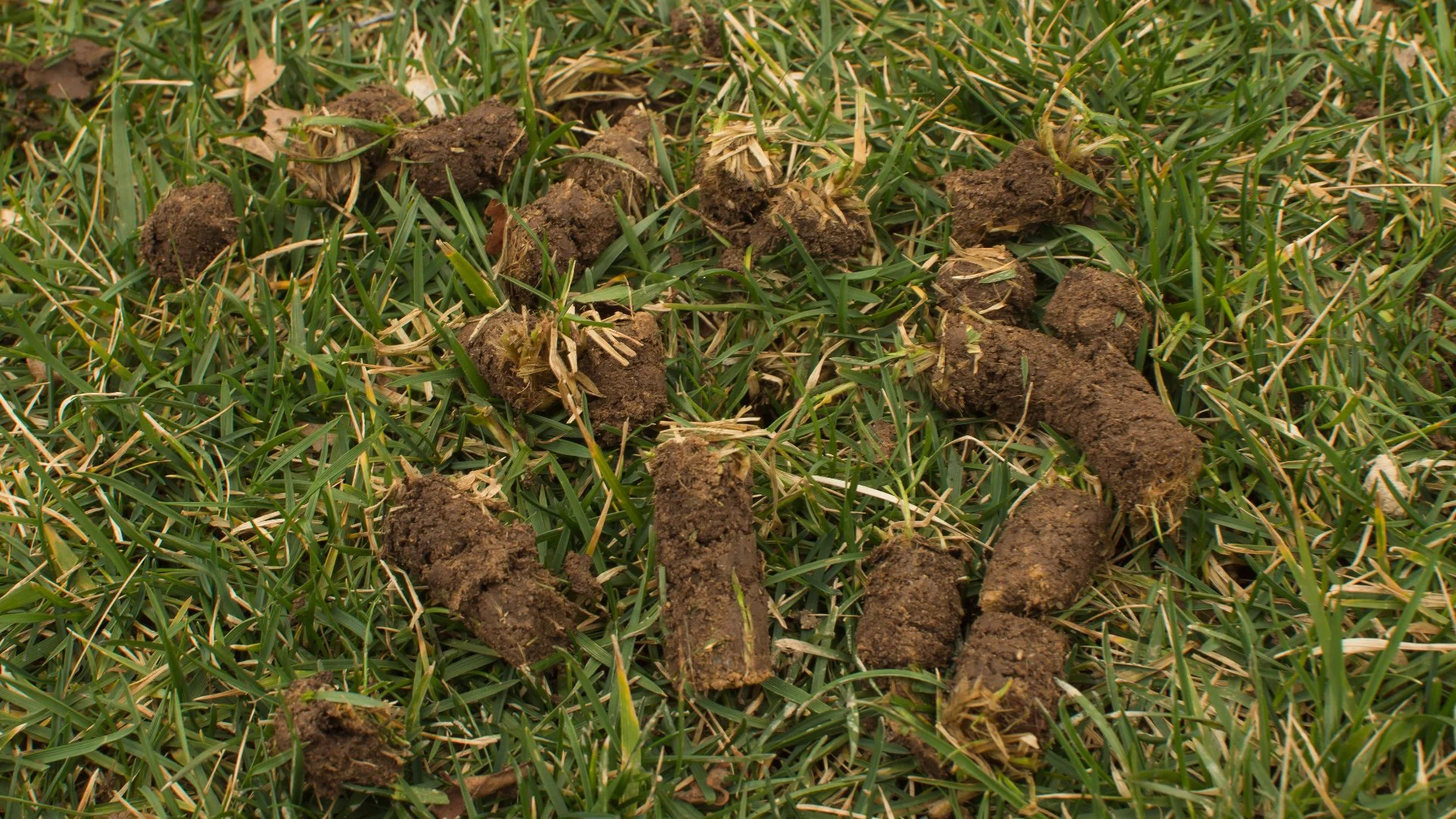
Compacted soil is a common issue that many property owners in New Jersey face. It occurs when soil particles are tightly packed together, reducing the amount of space between them. This can happen due to heavy machinery or foot traffic, working with wet soil, or when the soil is composed of clay. Compacted soil can lead to poor drainage, reduced nutrient uptake, and limited root growth, which can negatively impact the health and appearance of your lawn. Fortunately, there is a solution: aeration. Aeration involves the removal of small cores of soil from your lawn, which helps to loosen the soil and allows air, water, and nutrients to reach the roots of your grass. By scheduling an aeration service, you can improve the health and appearance of your lawn and prevent future compaction from occurring.
What is compacted soil, and what causes it?
Compacted soil is a common problem that occurs when soil particles are tightly packed together, reducing the amount of space between them. This makes it less porous and more difficult for air, water, and nutrients to penetrate the soil. There are several factors that can contribute to soil compaction, including:
- Heavy machinery and foot traffic - The weight of heavy machinery and constant foot traffic can compress the soil, causing it to become compacted.
- Working wet soil - When the soil is wet, it is more susceptible to compaction. Activities such as digging, walking, or tilling when the soil is wet can lead to soil compaction.
- Soil composition - Clay soils are more prone to compaction because the particles are smaller and more tightly packed together than sandy soils.
- Lack of organic matter - Organic matter helps to improve soil structure and reduce compaction by providing spaces for air and water to move through the soil.
How can compacted soil negatively impact your lawn?
Compacted soil can have several negative effects on your lawn. When the soil is compacted, it becomes harder for air, water, and nutrients to penetrate the soil and reach the roots of your grass. This can lead to reduced root growth, which can make your lawn more susceptible to drought, disease, and other stressors. Compacted soil can also lead to poor drainage, which can cause water to pool on the surface of your lawn and create a breeding ground for pests and diseases.
In addition to these issues, compacted soil can also make it difficult for your lawn to establish deep roots. When the roots of your grass are shallow, it can be more easily uprooted by heavy foot traffic or strong winds. Shallow roots can also make your lawn more susceptible to drought, as it will have a harder time accessing water deeper in the soil.
Schedule an aeration service to alleviate compacted soil.
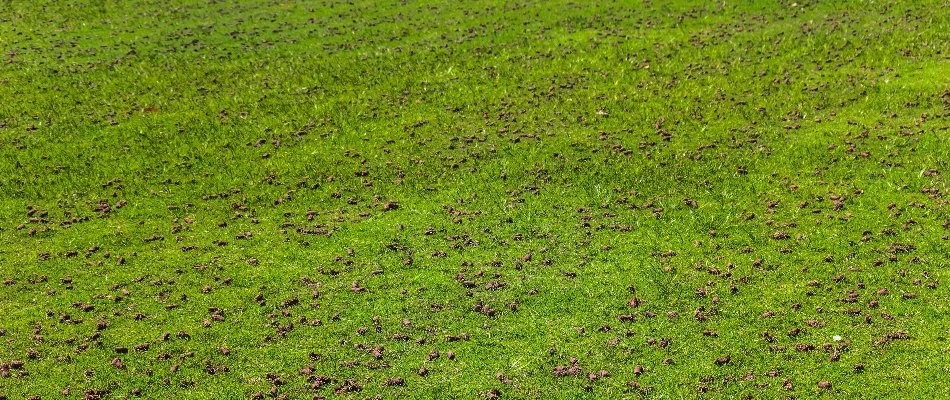
If you suspect that your soil is compacted, the best course of action is to schedule an aeration service. Aeration is the process of removing small cores of soil from your lawn to loosen the soil and allow air, water, and nutrients to penetrate. This can help to improve the health and appearance of your lawn by promoting deeper root growth, improving drainage, and reducing the risk of disease and pests.
It's important to note that aeration is not a one-time fix. Soil can become compacted over time, especially if it is subject to heavy foot traffic or machinery. To keep your soil in good condition, it's a good idea to schedule regular aeration services. The frequency of aeration will depend on the condition of your soil and the amount of foot traffic your lawn receives. In general, most lawns benefit from aeration once a year.
Call us today to schedule our aeration service!
If your lawn is suffering from compacted soil, it's time to take action! At Stream Line Lawn & Landscape, we offer an aeration service to help alleviate soil compaction and improve the health of your grass. We offer this service to property owners in Westfield, Watchung, Warren, and nearby areas in New Jersey. Call us today at (833) 452-9666 to schedule our aeration service!

Comments (0)
Thanks for your comment!
Thanks for your feedback! Your comments have been successfully submitted! Please note, all comments require admin approval prior to display.
Error submitting comment!
There is a problem with your comment, please see below and try again.